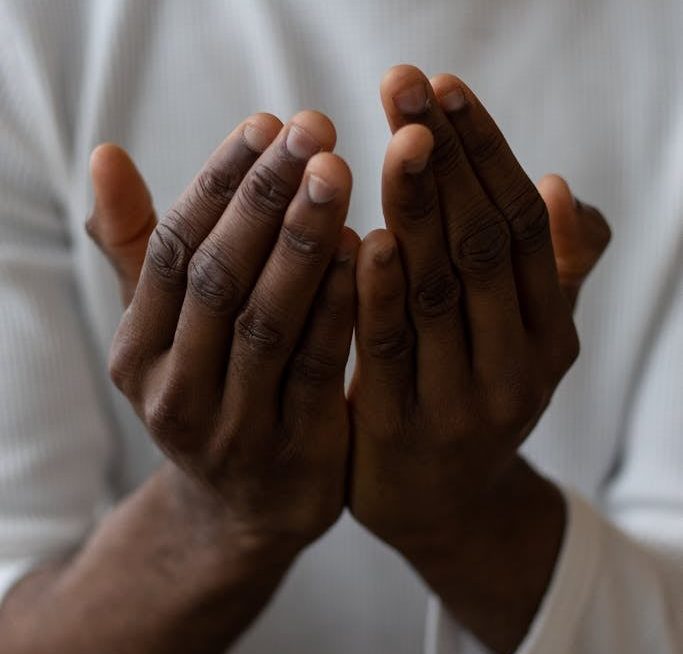


(Language immersion doesn’t look quite like this photo.)
This past summer, one of my sons engaged in a bit of a family tradition–learning a foreign language through immersion. In his case, he went to a camp for a week to be immersed in learning Japanese. All Japanese, all the time. Plus “fish for breakfast, lunch, and dinner,” he noted.
Many studies argue that the easiest and most effective way to learn a new language is through immersion. Think about babies–that is exactly how they learn. They hear, they mimic, they engage, they build facility. We encourage and invite them into language. We don’t begin by offering a class in grammar rules!
A recent study shows that immersion is the most effective way to learn a language as adults as well, with all the bonus effects of learning a new language: new neural pathways, deeper empathy, stronger critical thinking skills. New languages also tend to build in subtle values: for example, Germanic languages foster structure and organization skills, romance languages value vocal beauty.
Why Catholic parish renewal needs language immersion
Now, we’re a Catholic evangelization and discipleship apostolate. So why are we writing on language immersion? Two reasons, both important.
- Those raised in American culture have rapidly lost their ability to talk using God-language. The red flag was raised with Stephen Prothero’s 2009 Religious Literacy: What Every American Needs to Know–and Doesn’t (which focused on religious knowledge across the USA: Americans may believe, but they barely know what they believe, and this has cultural, societal, and of course religious impact). Jonathan Merritt wrote a book in 2019, Learning to Speak God from Scratch: Why Sacred Words are Vanishing and How We Can Revive Them, beginning with the reality that a Google Books-fueled study shows that religious language in all published literature has dropped like an anvil in the past 30 years. The words have simply evaporated and younger generations don’t know them. Sara Wenger Shenk’s Tongue-Tied: Learning the Lost Art of Talking about Faith (2021) is a different take on what is increasingly a known phenomenon: in our largely secular culture, using faith language in a way that can be heard takes gentleness and guts. In general, when we are able to know and articulate our faith commitment, we know it ourselves in a new, deep, and accessible way. And our surrounding culture is giving us no help in this regard: the Christian language that was normative 50+ years ago is simply not used in public discourse. That means if we the Church do not teach it and use it ourselves, no one will. (And of course, few disagree with the ecclesial call to use and teach religious language–just pointing out the prevailing American culture provides no supportive lift in this work at all.)
- The language of mission and evangelization, even within Catholic context, is often heard as muddled, confused, and indirect. This is hard to swallow; let me explain. The Biblical and magisterial command to go and make disciples is clear. However, in common usage among Catholics, this language is misunderstood…or largely missing in action. The gospel is shared from the ambo, but without the call to share it further. Evangelization is a frightening word to many Catholics, invoking people on soapboxes shouting at others. And everyone thinks the solution is to teach people how to do mission. But that’s only part of the challenge.
If people are not getting exposed–indeed, immersed–in the language of mission and evangelization, there is no way they can learn it, speak it, and live it. Immersion is, in fact, a kind of learning as well as a kind of living, a missionary discipleship living. And the more people are immersed, the more they begin to understand and “think missionally.” The values arise from within the language. The next step begins to feel natural, connected, even obvious.
The Holy Spirit is our Help, as one would expect. Often people who receive a deep religious experience–through an encounter with God in prayer, the Eucharist or another sacrament, or getting knocked off their horse traveling down the road (a la Saul of Taurus)–they recognize they are hungry and desperate for the language. They begin reading the Bible multiple times a day. They read books on prayer. They seek conversations with the pastor or holy friends. This is God’s awakening grace, and we cannot do anything without God’s grace and help.
But: as Thomas Aquinas says, grace builds on nature. And naturally, human beings are communicators who are formed by the language they hear and receive. The more we use the language of mission, the more missionary discipleship becomes natural and normal. The more we talk about the gentle way of evangelization, and model it, the more people are inclined to engage in it and not automatically think “soapbox harassment.” We can and should prepare people to receive supernatural help when we engage in language immersion that builds the road to mission.
Parishes that deliberately elevate this language of mission will create a community of fluent missioners. People who are bilingual in this way (secular culture/Christian mission language) are less afraid, and more confident to speak God-language into a culture that does not know him.
How do we promote language immersion in our parishes?
There are at least four principles at play.
First, recognize that the language of our liturgy is beautiful and anchors all of our language immersion. But for proper language immersion, there must be more. One hour a week is minimal exposure to language, not immersion.
Second, get people talking using the language. This is one reason small groups are incredibly important–people need not just to hear and read the language, but to try it out in their own voice. It is a key element of any language immersion.
Third, begin at the beginning–with the living God. This mission language is highly relational. Introduce and elevate relationship terms before you move to moral terminology. Missional relationship phrases are God is real, Jesus is alive, God loves you (yes), God wants you to turn to him, God offers life over death. All these phrases and short sentences animate our core story, the Great Story of Salvation. Of course there is much more, but begin at the beginning! Otherwise people miss a building block of language and misunderstand.
Fourth, redefine vocabulary. The secular language most people use offers misconstruals and language errors on many core mission words (for example, evangelization; but also mercy, justice, goodness, love, forgiveness….). You cannot presume people know these core words in mission language just because they use the words in everyday secular English!
Becoming fluent in mission
The good news is that missional language immersion is within our grasp. When parishioners grow confident in speaking about faith naturally, evangelization no longer feels like a program but part of daily Catholic life. That shift is what transforms ordinary parishes into apostolic parishes. It requires precise communications, language-tuned resources, and opportunities to try out the language. Immersion requires intentionality and encouragement. Let’s create parishes that immerse the baptized in the rich and powerful language of mission, and watch people say: everything makes so much more sense now! Living the language helps us all see something we didn’t realize was missing from our lives.
***
The Mark 5:19 Project is offering a NEW resource in mission language immersion in our Everyday Evangelists series: they are designed to be used as bulletin inserts, but can easily be used as discipleship small group resources, council and committee reflection material, part of parish e-newsletters, and in family faith formation. Please see more at Gracewatch Media to preview and adopt for your parish!